Internationales Netzwerk für Populismusforschung
über das netzwerk
Inhaltlich widmet sich das Internationale Netzwerk für Populismusforschung neuen theoretischen, qualitativen und quantitativen Ansätzen, um das Phänomen des Populismus weltweit zu untersuchen.
Über die Politikwissenschaft hinaus öffnet sich das Netzwerk für weitere Disziplinen aus den Sozial- und Geisteswissenschaften wie die Soziologie, Philosophie, Kultur-, Medien- und Literaturwissenschaften, Ethnologie, Visual Studies, Performance Studies, Rechts- und Geschichtswissenschaften.
Das Internationale Netzwerk für Populismusforschung organisiert wissenschaftliche Veranstaltungen (in Präsenz und Online) an der CAU und in Kooperation mit Partnerinstitutionen. Dazu gehören wissenschaftliche Konferenzen, Workshops und Panels bei nationalen und internationalen Fachtagungen, internationale Kooperationen in der Lehre sowie Veranstaltungen für eine breitere Öffentlichkeit.
Das Internationale Netzwerk für Populismusforschung führt eigene Forschungsprojekte durch und unterstützt Promotions- und Post-Doc-Projekte.
Das Netzwerk erarbeitet seine Forschungsergebnisse in Form von wissenschaftlichen Publikationen und macht die zentralen Arbeiten der Partner*innen sichtbar.
Das Internationale Netzwerk für Populismusforschung engagiert sich auch in der Kommunikation mit einer breiteren Öffentlichkeit.
Paula Diehl im Gespräch mit dlf-Kultur
Die Rückkehr der Bolsonaros?

Nach der ersten Runde der Präsidentschaftswahl in Brasilien spricht Paula Diehl über die Kontinuitäten des Systems Bolsonaro, die Schwierigkeiten der Arbeiterpartei bei den Senatswahlen und die Normalisierung rechtsextremer Positionen in demokratischen Gesellschaften.
Erfolgreiche Promotionsverteidigung
Katharina Dahlko - Rechtspopulismus in Japan
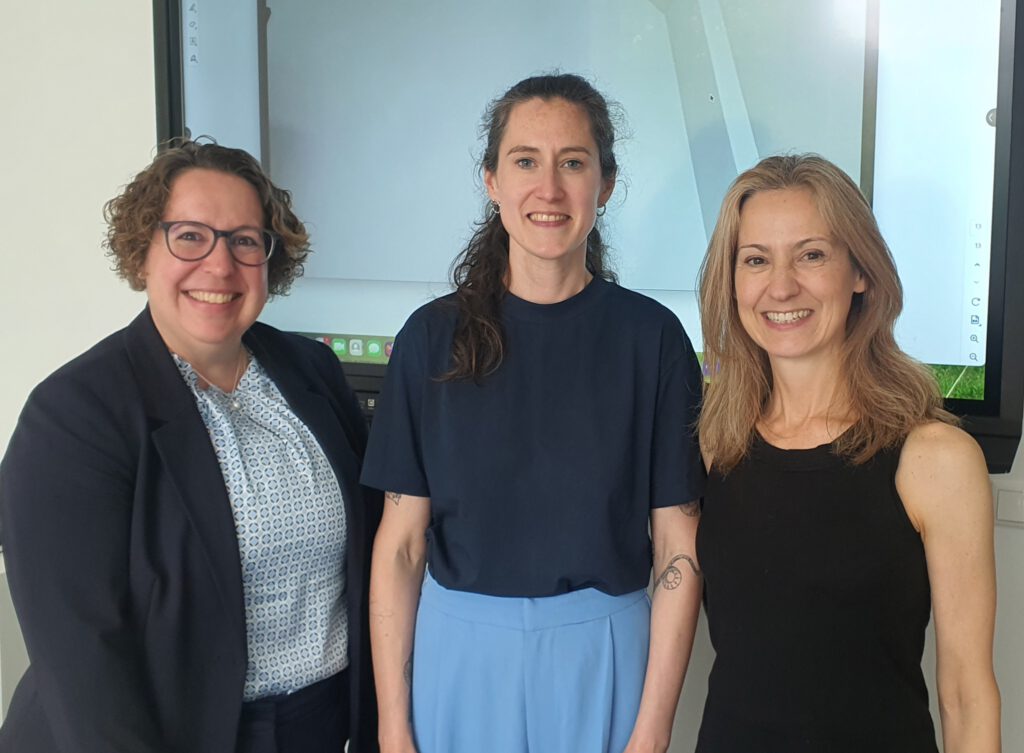
Das IPRN gratuliert Katharina Dahlko zur erfolgreichen Verteidigung ihres Promotionsprojektes über Die öffentliche Rezeption Rechtspopulistischer Parteien in Japan.
Die von Gabriele Vogt und Paula Diehl betreute Arbeit steht exemplarisch für den internationalen Ansatz des Netzwerks und reiht sich nahtlos in die tagesaktuelle Forschung seiner Mitglieder ein.
Im Fokus der Untersuchung steht die Frage, wie die politische Agenda und Kommunikationsstrategien der Japan Restoration Party (JRP) im öffentlichen Diskurs verhandelt wurden und welche politischen, gesellschaftlichen wie medialen Rahmenbedingungen zu ihrer Popularität beitrugen. Theoretisch greift das Projekt Ansätze auf, die die Variabilität rechtspopulistischer Politik in unterschiedlichen politischen und regionalen Kontexten berücksichtigen.
New Book By Klaudia Koxha and Oscar Mazzoleni
The radical right and Demographic Poulism
This book introduces a new framework for understanding how the radical right reimagines demographic change as an existential threat. Across Europe and the Americas, low birth rates, immigration, and gender equality are reframed as signs of civilisational decline. This volume explores how radical right actors mobilise fears around fertility, migration, race, family, and sexuality through narratives of crisis, ethnic purity, and control over borders, reproduction, and social norms. It examines conspiracy thinking fuelled by demographic anxiety to justify attacks on gender and sexual rights and reinforce exclusionary ideas of national belonging.
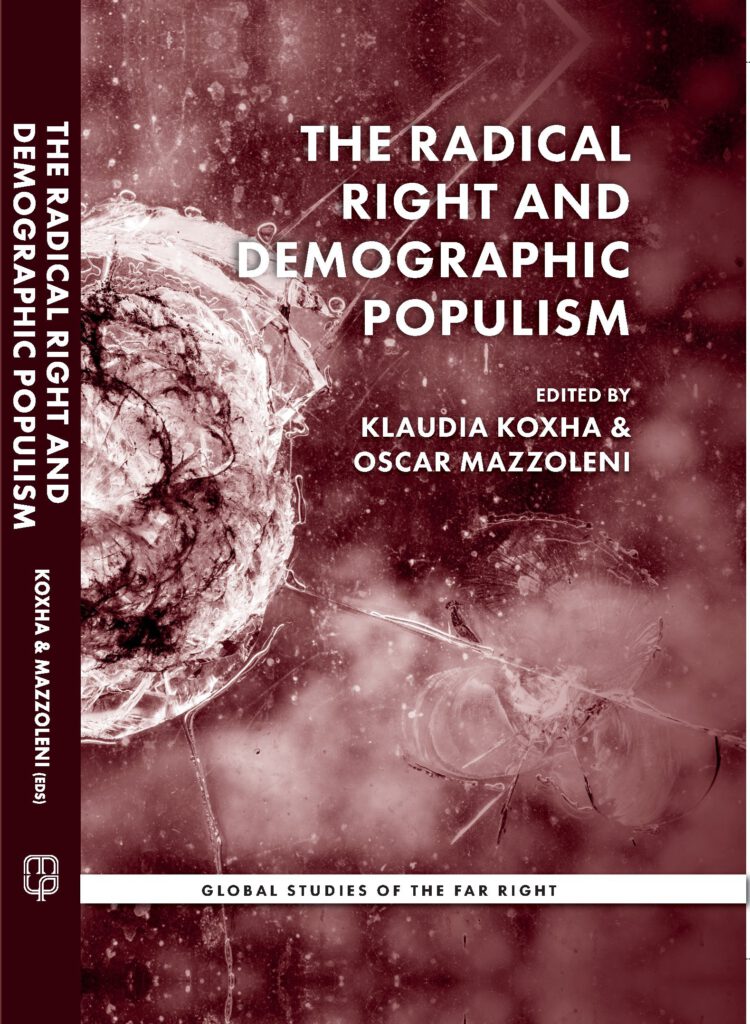
Grounded in empirical case studies and interdisciplinary approaches, this book reveals how these narratives converge to reinforce the dominance of a native, heteronormative, Christian population. In linking domains often treated separately, it provides a timely and critical perspective on the evolving logic of radical right politics worldwide.
Kieler Woche – Kieler Uni Live
Populism and Fascism
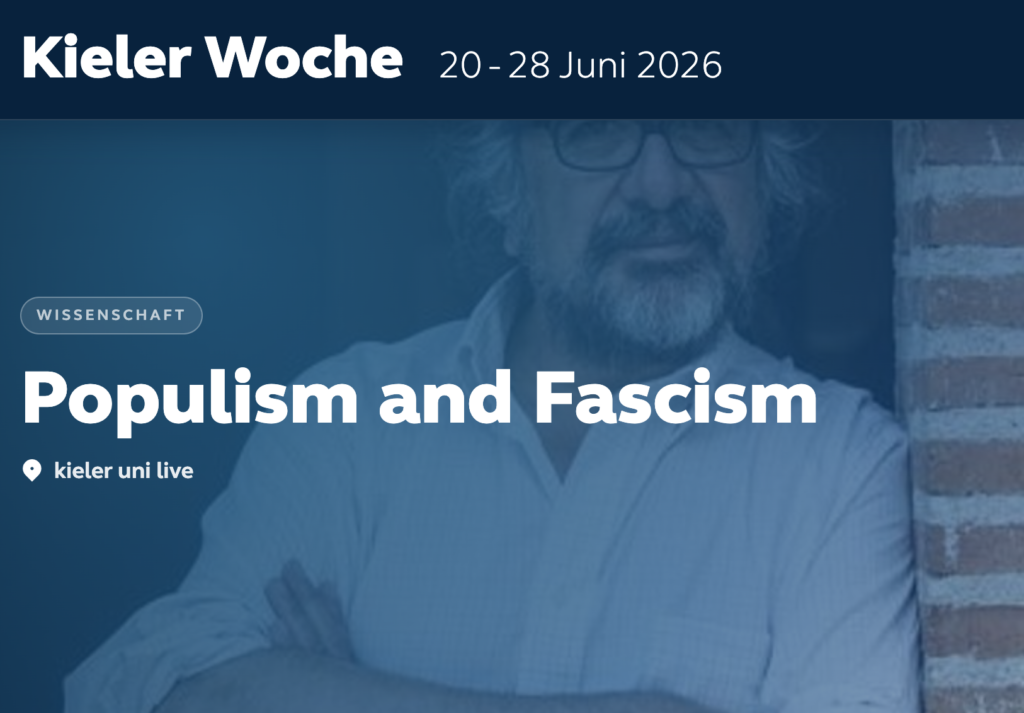
Datum: 24. Juni 2026
Uhrzeit: 22:00-23:00 Uhr
Ort: Kiellinie 5, 24105 Kiel
Kieler Woche – Kieler Uni Live
Populism and Fascism
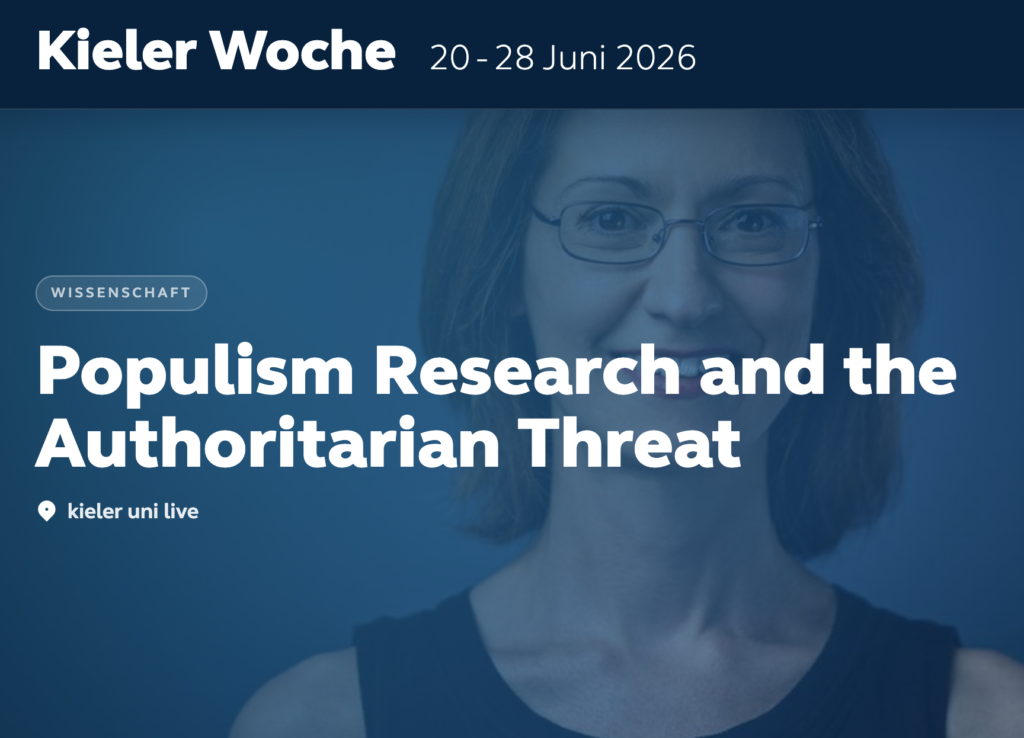
Datum: 24. Juni 2026
Uhrzeit: 21:00-22:00 Uhr
Ort: Kiellinie 5, 24105 Kiel
International Populism Research Network at the LASA in Paris
The Network is present at the General Conference of the Latin American Studies Association “Republic and Revolutions” with two panels: “Populism Studies: Accomplishments and Challenges” and “Far-Right Threats and Democratic Responses in Latin America and Europe”
The panels explore the role of populism in shaping Latin America Politics by building on cleavages and by shifting political demands towards the far right. The
Roundtable – 26th May 2026, Tuesday, 12:00pm – 01:30pm,
Populism Studies: Accomplishments and Challenges
Session organization: Carlos De La Torre, University of Florida (Member) ; Kenneth M. Roberts, Cornell University (Member)
Chair: Kurt G. Weyland, University of Texas/Austin
Presenters: Kurt G. Weyland, University of Texas/Austin, Kenneth M. Roberts, Cornell University, Paula Diehl, University of Kiel (Member), Maria Victoria Murillo, Columbia University, Carlos De La Torre, University of Florida
Panel – 26th Wednesday, 03:30pm – 05:00pm, Paris
Far-Right Threats and Democratic Responses in Latin
America and Europe
Session Organizer: Carlos E. Meléndez, Universidade de Lisboa
Chair: Daphne Halikiopoulou, University of York
Discussant: Lucio R. Renno, Universidade de Brasília
Daphne Halikiopoulou, University of York: The Far Right and Democratic Backsliding in Europe and Latin America: Why and How Should We Compare?:
Carlos De La Torre, University of Florida (Member): Radical Right Populism, Fascism, or…?:
Carlos E. Meléndez, Universidade de Lisboa: The Anti-Communist Lever: How PRR Parties Exploit Attitudes for Electoral Gain in Europe and Latin America:
Kenneth M. Roberts, Cornell University (Member): The “Winner’s Dilemma” and the Challenges of Opposition to Endogenous Democratic Backsliding:
Lisa Zanotti, Universidad Diego Portales/Central European University: The Illiberal Playbook: Deconstructing Right-Wing Rhetoric in Europe and Latin America
Polarization and Democracy in Latin AmericaLegacies of the Left Turn
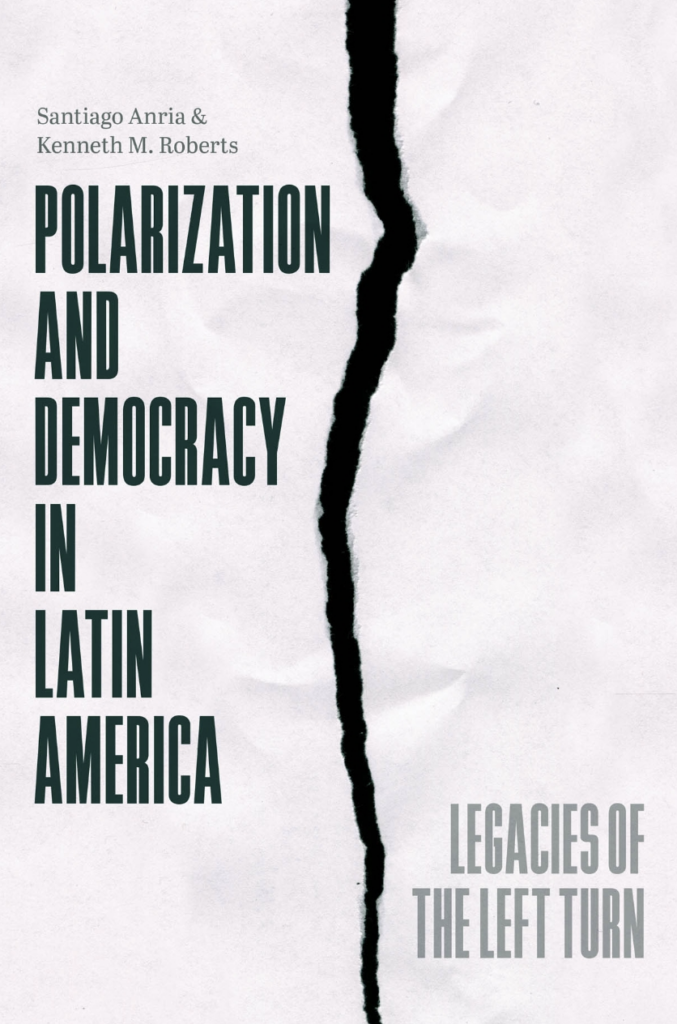
Through a comparative analysis of seven South American countries, Santiago Anria and Kenneth M. Roberts trace the different origins and trajectories in power of the populist and social democratic currents that emerged within the left turn. Anria and Roberts argue that today’s democratic orders face intensifying polarization and institutional fragility, even where social democratic parties made explicit efforts to build broad coalitions and temper political conflict. They show how activist networks and social movements on the left and the right triggered latent political conflicts and are now reshaping democratic competition and the terms of social inclusion in South American politics.
The book was published by The University of Chicago Press. For more information on the book, see here.
International Workshop
Symbolizing the People and Popular Sovereignty
Location: Hamburg Institute for Social Research, Mittelweg 36, 20148 Hamburg
- Paula Diehl (Kiel University)
- Luciana Villas Bôas (Federal University of Rio de Janeiro)
- Hamburg Institute for Social Research
- International Populism Research Network
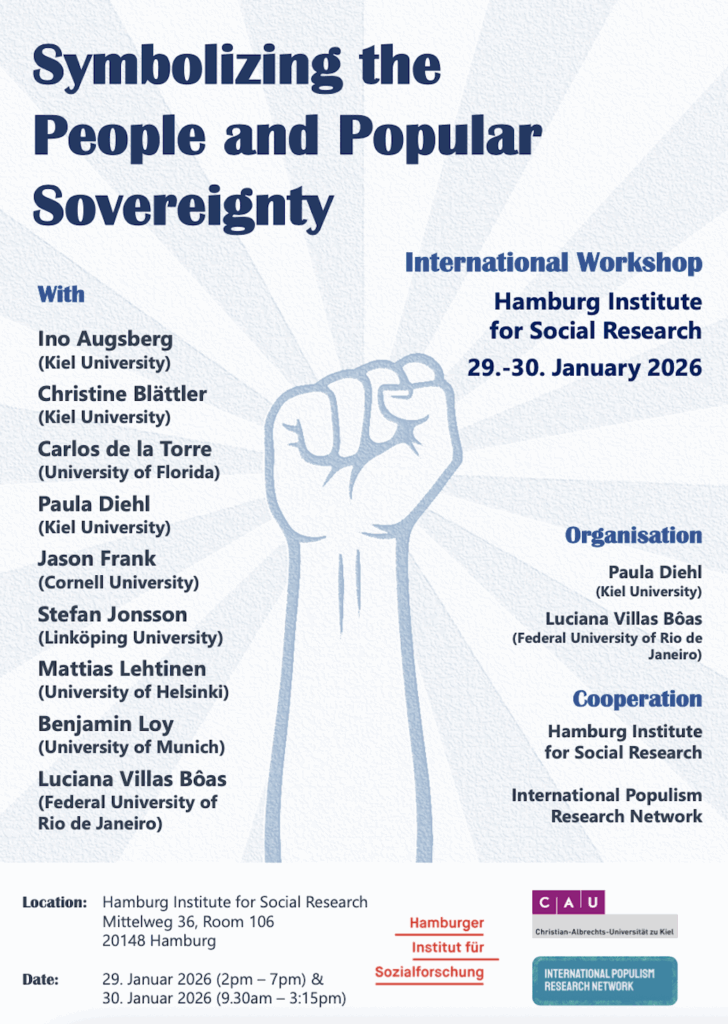
Registration: No registration is required. However, the number if available seats for external participants is limited in the event location.
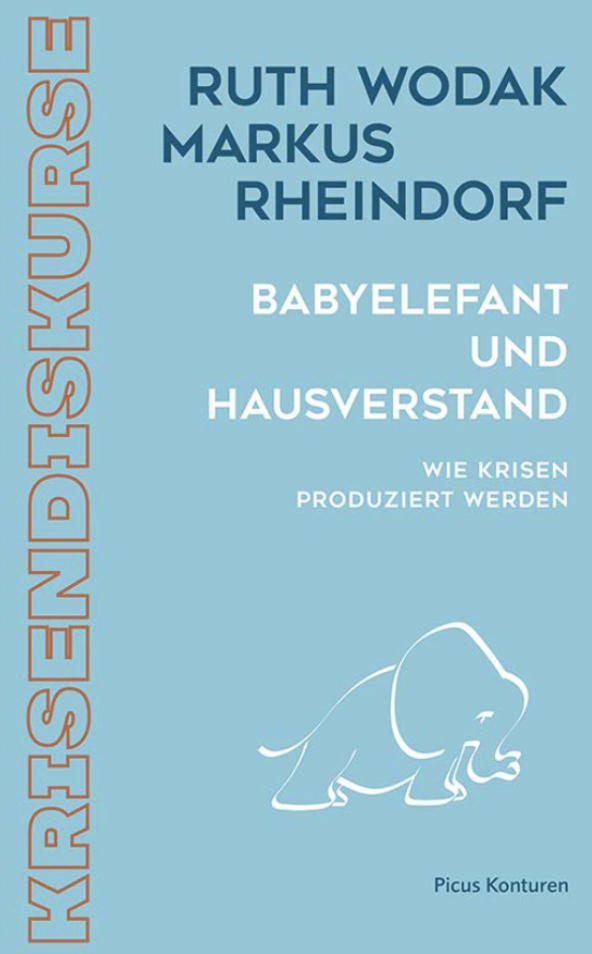
Neues Buch von Ruth Wodak und Markus Rheindorf
Babyelefant und Hausverstand - Wie Krisen produziert werden
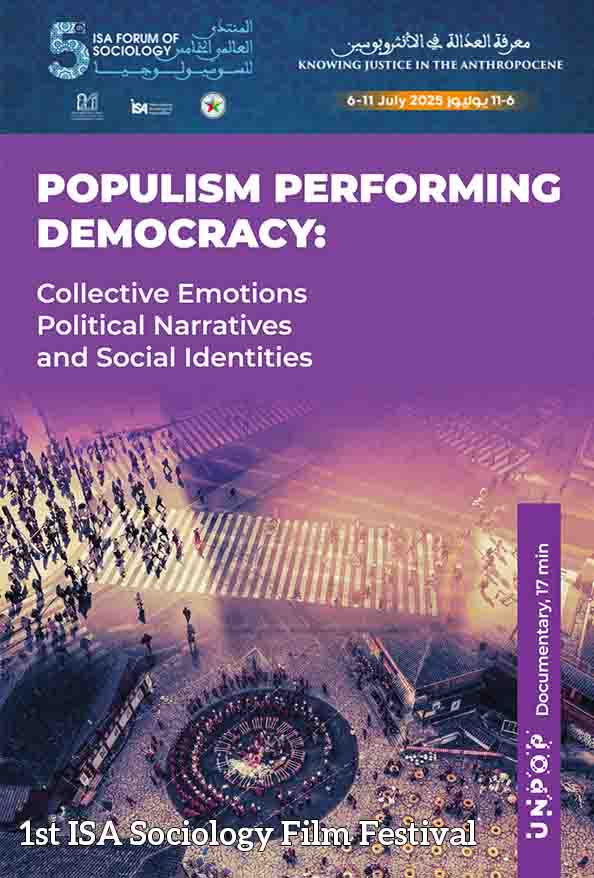
New documentary by the UNPOP project
Populism: Performing Democracy: Collective Emotions, Political Narratives and Social Identities
Impressum:
Institut für Sozialwissenschaften/Politikwissenschaft
Olshausenstr. 40
24118 Kiel
Represented by: Prof. Dr. Paula Diehl (Director)
Olshausenstr. 40
24118 Kiel
phone: +49 431 880-5217
mail: contact.populism@politik.uni-kiel.de
Liability for links: Our offer contains links to external websites of third parties, on whose content we have no influence. Therefore, we cannot accept any liability for any external content. The respective provider or operator of the site is always responsible for the content of the linked sites. The linked pages were checked for possible legal violations at the time of linking. Illegal content was not identified at the time of linking.However, a permanent control of the content of the linked pages is not reasonable without concrete evidence of a violation of the law. If we become aware of any infringements, we will remove such links immediately.
Copyright: The content and works on these pages created by the site operators are subject to German copyright law. The reproduction, editing, distribution and any kind of use outside the limits of copyright law require the written consent of the respective author or creator. Downloads and copies of these pages are only permitted for private, non-commercial use.
Insofar as the content on this site was not created by the operator, the copyrights of third parties are observed. In particular, third-party content is identified as such. Should you nevertheless become aware of a copyright infringement, please inform us accordingly. If we become aware of any infringements, we will remove such content immediately.
Webdesign by: Lilit K
Contact via mail